Over 1 Billion Plastic Pellets Released into the River Tyne
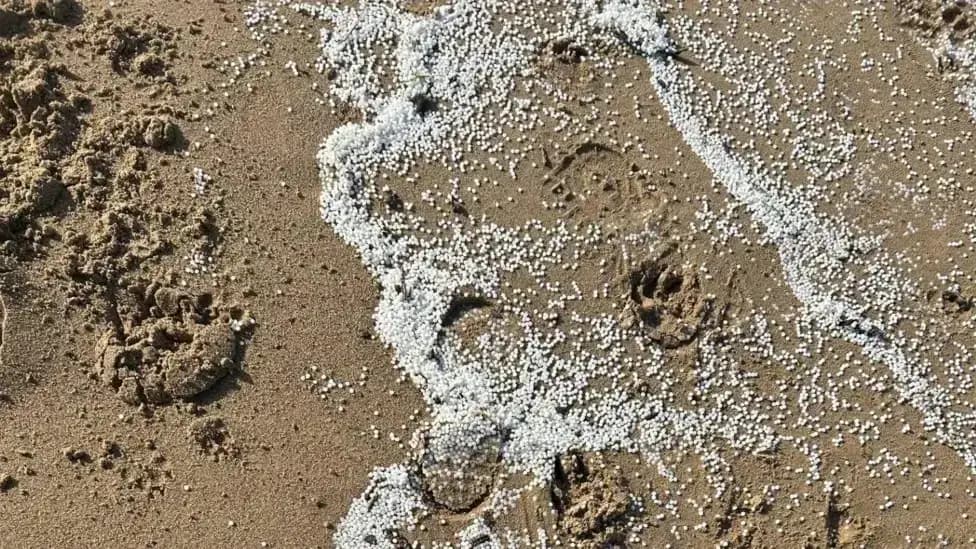
On 19 July 2026, following a collision between two vessels in the Port of Tyne, an estimated 24 tonnes of plastic pellets—known as nurdles—entered the River Tyne. Around one billion of these tiny plastic pellets have since washed up along beaches across the North East, prompting a huge community-led clean-up effort.
This website brings together the latest community updates, practical guidance and resources to help volunteers respond to the spill. It has been created by volunteers to make it easier to find key information without having to search through hundreds of WhatsApp messages.
The clean-up effort is currently being coordinated by the local community alongside organisations, councils and specialist contractors working on the wider response. Information on this site is updated regularly, but guidance can change quickly, so please check the latest updates before heading to the beach.
Actions
1. Join a beach clean
Join the community WhatsApp group for beach-specific updates, or head down to help.
Community advice: collect in bin bags and place next to the council bins. Large mesh bags work well with shovels; where appropriate use a dustpan and brush. See Beach Cleanup page for more info on equipment and methods.
2. Write to your MP, councillor and the Mayor
Contact all three. Ask for a large-scale effort at the right tide times to collect nurdles. People are needed specifically Monday and Tuesday for a large-scale cleanup — and the council should respond with numbers and the right gear.
Always include your name and address at the top.
Residents in North Tyneside constituency can write to MP Alan Campbell, or find your local councillors
Subject
URGENT: Disaster on the Tyne — Over 1 Billion Nurdles (24 Tonnes) on Our Beaches & Demands for Action
Dear [Name of MP] MP /

Dear Regional Mayor Kim McGuinness kim@kimmcguinness.org

I am writing to you as a constituent residing in [Your Town/Area] regarding the catastrophic plastic spill originating from the River Tyne. Over 24 tonnes—more than 1 billion raw plastic pellets (‘nurdles’)—are now washing ashore across our local beaches. This is being recognised as the biggest plastic pollution disaster in the history of Northern Europe, yet the response on the ground fails to reflect the magnitude of this crisis.

While funding and money should not be a barrier given the severity and international scope of this disaster, our local response is failing our coastline in critical ways:

1. Lack of Targeted, Tidal-Based Cleanup: We are simply not seeing the necessary large-scale, coordinated cleanup efforts deployed at the appropriate times based on the tides. We need to see councils and relevant authorities responding in force with adequate personnel, proper gear, and specialist equipment.

2. Destructive Machinery Usage Must Stop: Council tractors are still actively being used on the beaches. Heavy machinery churns and compresses the sand, driving these microplastics deeper into lower sand layers where they become impossible to retrieve. This practice must stop immediately.

3. Unmet Community Need: Because no official organisation is leading on-the-ground volunteer operations—with hands currently tied by Environment Agency advice—local residents are stepping into the void. There is an urgent, unofficial call for help specifically for Monday 27th and Tuesday 28th to carry out manual recovery along individual beaches.

We cannot allow red tape to leave 1 billion pellets to wash back into the marine food web.

As my Member of Parliament, I urge you to take immediate action:

* Demand Council & Agency Scale-Up: Push Council, Defra, and the Environment Agency to deploy equipped, organised teams timed around local low/high tides, and immediately halt heavy tractor usage on affected beaches.

* Support Community & Volunteer Operations: Ensure authorities provide clear, safe guidance and logistical backing (such as proper sieves, vacuums, and disposal points) for community efforts, especially for the critical push this Monday and Tuesday.

* Enforce Polluter Liability & Legislative Reform: Ensure the responsible ship operators and insurers cover 100% of remediation costs, and push in Westminster to legally reclassify nurdles as hazardous cargo with mandatory sealed packaging requirements.

I look forward to hearing what urgent steps you are taking to ensure our beaches get the emergency response this crisis demands.

Yours sincerely,
[Your Full Name]
[Your Full Postal Address & Postcode]
[Your Phone Number - Optional]
3. Sign zero plastic pellet loss petition
Help keep this issue on the national agenda by signing the official UK Parliament petition.
Scientific Briefing for Volunteers
Environmental risk
The environmental concern is high.
Nurdles: absorb oil, absorb diesel residues, absorb persistent organic pollutants, adsorb heavy organic contaminants.
Marine organisms mistake them for food.
Affected wildlife may include: seabirds, fish, crabs, shellfish and marine mammals indirectly through the food chain. [1]
Potential impacts include: Digestive blockage, starvation, reduced reproduction, transfer of pollutants through the food web and fragmentation into microplastics.
These long-term ecological effects are why nurdle spills are treated as major environmental incidents.
Why is this considered a serious environmental incident?
Although each pellet is tiny, the scale is enormous:
- Approximately 1,000,000,000 pellets. Roughly 25 tonnes.
- Capable of spreading over many kilometres of coastline.
- Extremely difficult to recover completely.
- Marine scientists regard nurdle spills as one of the most persistent forms of plastic pollution because the pellets continue circulating between beaches and the sea for years.
Key message
This incident is not simply a litter problem. It is a significant marine pollution event resulting from a shipping accident. Every properly collected bag of pellets helps reduce the amount available to enter the food chain or break down into microplastics.
Why were volunteers initially advised not to collect them?
Early in the response, authorities needed to:
- Assess the extent of contamination.
- Preserve evidence for the investigation.
- Avoid spreading pellets inadvertently.
- Prevent damage to sensitive habitats.
- Establish safe disposal procedures.
As organised clean-up plans developed, volunteer participation became more structured in many areas.